Beef stew is a classic comfort food that is perfect for a cold winter's day. However, traditional beef stew can take hours to cook, which can be a challenge for busy individuals. Fortunately, pressure cookers can drastically reduce the cooking time, allowing you to enjoy a delicious beef stew in a fraction of the time. In this article, we will discuss how to make pressure cooker beef stew and provide you with several delicious recipes that you can try at home.
The History of Beef Stew
Beef stew is more than just a dish; it's a culinary journey through time and cultures. This hearty meal has comforted and sustained generations, evolving from a basic necessity to a beloved staple with regional twists. Let's delve into the rich history of beef stew, exploring its origins and how it has been shaped by various culinary traditions across the globe.
Origins and Early Forms
The concept of stewing meat can be traced back to ancient times when the first pots capable of withstanding direct heat were developed. These primitive cookware items, found in archaeological sites dating back to 6000-4000 BC in China and the Middle East, were crucial in the evolution of cooking. Early stews were likely a mixture of whatever meats and vegetables were available, simmered together over a fire for several hours. The goal was not only to tenderize tougher cuts of meat but also to amalgamate flavors in a nutritious broth.
In medieval Europe, a form of beef stew known as "pottage" was common among peasants. It was a slow-cooked mix of meat, grains, and vegetables, seasoned with whatever herbs were on hand. This stew was not just a meal but a vital part of the diet that provided necessary sustenance for long, laborious days. Over time, as trade routes expanded and new ingredients like potatoes and tomatoes were introduced to Europe from the Americas, the stew began to evolve, taking on new flavors and textures.
Traditional Preparations Across the World
The beauty of beef stew lies in its versatility and the way it has adapted to incorporate local ingredients and flavors. For example, in France, the dish takes a refined form as "Boeuf Bourguignon," a stew enriched with red wine, bacon, onions, and mushrooms. This dish became globally recognized thanks to chefs like Julia Child, who introduced French cooking techniques to the American public.
In contrast, the Irish have their traditional "Irish Stew," originally made with mutton, potatoes, onions, and parsley. Over time, as beef became more accessible, it replaced mutton as the primary ingredient. This dish reflects the agricultural roots of Ireland, emphasizing local produce and meats.
Further east, in Hungary, goulash, a stew made with beef, onions, Hungarian paprika, tomatoes, and green peppers, showcases the deep, robust flavors favored in Eastern European cuisine. Each of these dishes, while unique, shares the common thread of using slow-cooking methods to enhance the natural flavors of beef.
Evolution with Modern Cooking Techniques
The advent of modern kitchen appliances has significantly impacted how beef stew is prepared. The introduction of the pressure cooker in the early 20th century revolutionized cooking by dramatically reducing cooking time and enhancing flavor and texture. Before pressure cookers, beef stew required hours of slow simmering to achieve the desired tenderness and depth of flavor. However, with the pressure cooker, what used to take hours now could be accomplished in under an hour, making beef stew more accessible.
The pressure cooker uses steam pressure to create a high-heat environment that cooks food faster and seals in flavors. This method is particularly beneficial for beef stew, as it not only speeds up the cooking process but also ensures that the meat is exquisitely tender and the vegetables are perfectly melded.
A Timeless Dish in Modern Kitchens
Beef stew has stood the test of time, adapting to changes in cooking methods and available ingredients. It has grown from a basic necessity to a culinary tradition cherished across the globe. Whether prepared in a traditional slow cooker or a modern pressure cooker, beef stew remains a symbol of comfort and nourishment. As we continue to explore new culinary technologies and ingredients, the evolution of beef stew is a testament to its enduring appeal and adaptability.
This historical perspective not only enriches our understanding of beef stew but also sets the stage for exploring more sophisticated and varied recipes. As we move forward, we embrace the rich heritage of this beloved dish while looking forward to future innovations in its preparation.
Why Use a Pressure Cooker for Beef Stew?
The evolution of cooking tools and methods brings us from the open fires and simple pots of ancient times to the sophisticated, efficient technology of the modern kitchen. Among these advancements, the pressure cooker stands out, especially when it comes to preparing dishes like beef stew. This section explores the myriad advantages of using a pressure cooker, delving into the scientific principles behind its operation, and debunking common myths associated with this method.
Advantages of Pressure Cooking
The pressure cooker, a sealed vessel that cooks food under high pressure, offers several distinct advantages for making beef stew:
Time Efficiency: Perhaps the most significant advantage of a pressure cooker is its ability to reduce cooking time dramatically. What typically takes hours on a stove or in an oven can be completed in a fraction of the time. This efficiency is a boon for busy cooks who want to enjoy deep, complex flavors without the long wait.
Flavor Enhancement: Pressure cooking helps intensify flavors. As steam pressure builds inside the cooker, temperatures rise above the boiling point of water, which allows the food to cook faster and helps flavors to develop more fully and quickly. This is particularly beneficial for a dish like beef stew, where melding flavors is crucial.
Nutrient Retention: Cooking under pressure helps in better retention of nutrients compared to traditional cooking methods. The shorter cooking time and reduced exposure to heat help preserve vitamins and minerals that are often lost during prolonged cooking.
Energy Efficiency: By speeding up the cooking process, pressure cookers use less energy. This makes them an environmentally friendly option as well as a cost-effective one.
How Pressure Cookers Work
Understanding the science behind pressure cooking can help demystify the process and illustrate why it is so effective for dishes like beef stew:
Building Pressure: When the liquid inside the pressure cooker heats up, it produces steam. Since the steam cannot escape, it builds up pressure inside the cooker.
Raising the Boiling Point: As pressure increases, the boiling point of water rises. In a conventional pot, water boils at 100°C (212°F), but in a pressure cooker, it can go up to about 121°C (250°F).
Faster Cooking: The higher temperature causes food to cook faster. Additionally, the high pressure forces moisture into the food, which helps tenderize tough meat quickly, making it ideal for cuts commonly used in beef stew.
Debunking Myths About Pressure Cooking
Despite its benefits, some myths about pressure cooking persist, which may deter some from using this method:
Safety Concerns: Modern pressure cookers are equipped with multiple safety features, such as pressure release valves and locking lids, making them much safer than their predecessors.
Complexity of Use: While pressure cookers may seem daunting, modern models are user-friendly with straightforward instructions and automated settings.
Taste and Texture Misconceptions: Some believe that pressure cooking can lead to bland food and mushy vegetables. However, when used correctly, a pressure cooker can produce dishes that are flavorful and well-textured.
Embracing Modern Methods
The pressure cooker represents a significant leap forward in culinary technology, especially for making hearty, flavor-rich dishes like beef stew. By understanding how to use this tool effectively, cooks can enjoy all the benefits of traditional slow cooking in a fraction of the time. As we continue to seek ways to blend efficiency with flavor, the pressure cooker stands out as an indispensable asset in the modern kitchen.
In the next sections, we will explore the best ingredients for beef stew and how to prepare your kitchen for pressure cooking, ensuring that your culinary experiences are not only delicious but also seamless and enjoyable.
Selecting Ingredients for the Ultimate Beef Stew
Creating the ultimate beef stew in a pressure cooker starts with selecting the right ingredients. Each component, from the cut of beef to the choice of vegetables and herbs, plays a pivotal role in defining the stew's flavor, texture, and overall appeal. This section guides you through choosing the best ingredients that will transform your beef stew into a rich, comforting, and delicious meal.
Choosing the Right Cut of Beef
The choice of beef is crucial for a stew that's both flavorful and pleasingly tender. Here are some of the best cuts for making beef stew in a pressure cooker:
Chuck Roast: This cut is preferred for its balance of meat and fat, as well as its connective tissue, which breaks down during cooking to create tender, flavorful pieces.
Brisket: Known for its rich flavor, brisket becomes incredibly tender under the high-pressure environment, making it ideal for a hearty stew.
Round: Less fatty than chuck or brisket, round cuts are lean but become tender when cooked properly in a pressure cooker. It's an excellent choice for those looking for a healthier option.
These cuts are ideal for pressure cooking because their tougher, more fibrous texture breaks down beautifully under high heat and pressure, resulting in meat that is both succulent and rich in flavor.
Vegetables and Herbs That Enhance Beef Stew
The vegetables and herbs you choose can add layers of flavor and texture to your stew. Consider these staples and how they contribute:
Carrots and Potatoes: These root vegetables are classic stew ingredients, offering sweetness and heartiness. They also hold up well under pressure, maintaining their structure while becoming perfectly tender.
Onions and Garlic: These aromatics are essential for building a flavor foundation. They soften nicely and infuse the stew with depth and richness.
Celery and Mushrooms: Adding a slight crunch and earthiness, these vegetables work well with the natural juices of the meat.
Bay Leaves, Thyme, and Rosemary: These herbs lend a subtle fragrance and complexity to the stew, complementing the robust flavors of the beef and vegetables.
Using fresh, high-quality vegetables and herbs will significantly enhance the flavor profile of your beef stew, making it more vibrant and enjoyable.
The Role of Broths and Stocks
The liquid base of your stew not only adds moisture but also intensifies the overall flavor. Here’s how to choose the best options:
Beef Broth: A rich beef broth offers a robust backdrop that enhances the natural flavor of the meat and vegetables.
Wine: A splash of red wine can add acidity and depth, enriching the stew’s flavor profile. Ensure it’s well-balanced with the broth to avoid overpowering the dish.
Tomato Paste: A small amount can provide a slight tang and thickness to the stew, binding all the flavors together.
Choosing a high-quality, flavorful broth or stock as the base of your stew will envelop the ingredients in a delicious, savory liquid that gets better as it cooks under pressure.
Crafting the Perfect Blend
Selecting the right ingredients for beef stew is like building a symphony where each element plays a critical role in the harmony of the final dish. By choosing the right cuts of beef, pairing them with the best-suited vegetables and herbs, and simmering them in a rich, flavorful liquid, you set the stage for a truly spectacular beef stew. With the aid of a pressure cooker, these ingredients combine under optimal conditions to produce a stew that is not only quick and easy to make but also deeply satisfying to eat.
In the following section, we will look at how to prepare your kitchen for pressure cooking, ensuring you have everything you need to make this delightful stew efficiently and safely.
Preparing Your Kitchen for Pressure Cooking
Successfully cooking beef stew—or any dish—in a pressure cooker begins with a well-prepared kitchen. This section provides practical advice on setting up your kitchen for pressure cooking, focusing on the essential tools and accessories you need. Additionally, we’ll cover some tips on how to use your pressure cooker safely and efficiently, ensuring a pleasant cooking experience every time.
Essential Tools and Accessories
To make the most of your pressure cooking experience, it's important to have the right tools and accessories. Here's what you need:
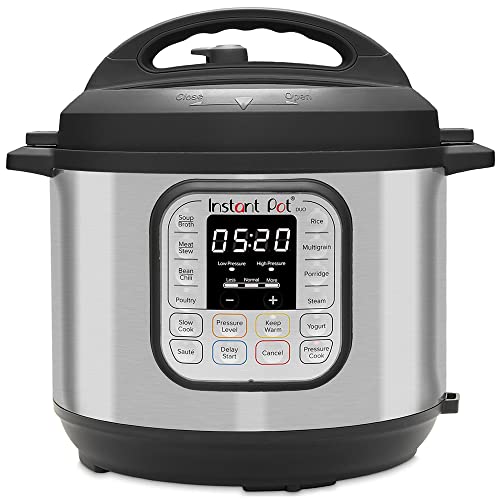
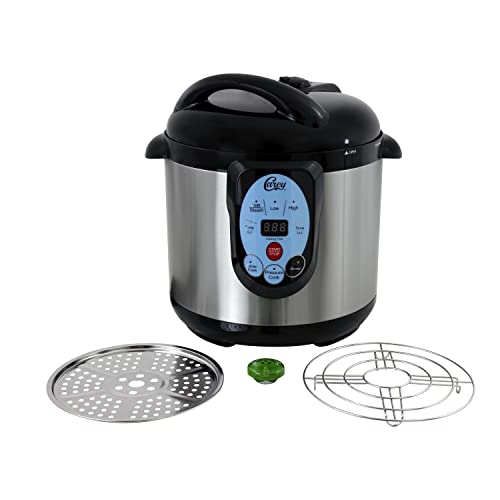
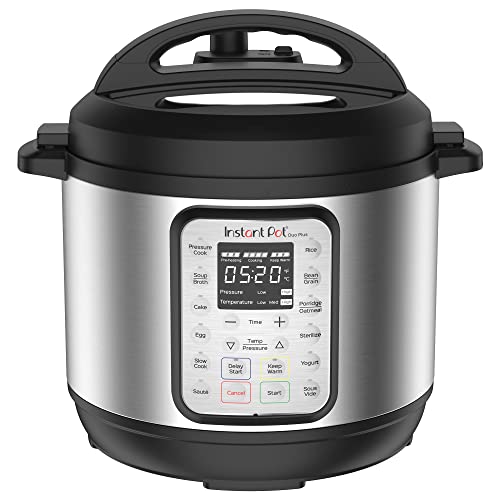
Pressure Cooker: Start with a reliable pressure cooker. There are two main types: stovetop and electric. Stovetop models generally offer quicker cooking times and more manual control over pressure settings, while electric models provide convenience and preset cooking programs.
Cutting Board and Knives: A durable cutting board and a set of sharp knives are crucial for prepping your ingredients. Ensure your knives are well-maintained for easy chopping of tough meat and dense vegetables.
Measuring Cups and Spoons: Accurate measurement of ingredients ensures that your stew has the perfect balance of flavors.
Wooden Spoon or Heat-Resistant Spatula: These will help you stir your ingredients safely and are essential for sautéing any aromatics or deglazing the pot.
Ladle: A ladle is necessary for serving the stew, allowing you to scoop up both the solid ingredients and the delicious broth.
Having these tools readily available and in good condition will streamline your cooking process and enhance your ability to effectively use a pressure cooker.
Setting Up Your Workspace
Organizing your kitchen space efficiently can significantly improve your cooking experience. Consider the following steps:
Clear Countertop Space: Ensure you have enough space around your pressure cooker, free from clutter. This helps in managing ingredients and facilitates easy access during cooking.
Ingredient Prep: Before beginning to cook, prepare all your ingredients. Chop your vegetables, measure out your spices and liquids, and cut your beef into consistent pieces to ensure even cooking.
Safety Check: Always check the integrity of your pressure cooker before use. Inspect the rubber gasket (sealing ring) to make sure it’s not cracked or stiff and check the vent for any blockages.
Safety Tips for Pressure Cooking
Using a pressure cooker is safe when you follow the correct procedures. Here are some safety tips to keep in mind:
Do Not Overfill: Never fill the pressure cooker more than two-thirds full. When cooking foods that expand, like grains, do not fill more than half full.
Check the Seal and Valves: Always ensure that the seal is tight and the valves are clear before starting the cooking process.
Release Pressure Safely: Familiarize yourself with the natural release and quick release methods. Use the natural release for stews to keep the meat tender.
Open Carefully: Always open the lid away from your face to avoid steam burns.
Ready to Cook
By preparing your kitchen and ensuring you have the right tools and knowledge, you’re set to make the most of your pressure cooking. This setup not only facilitates a smoother cooking process but also enhances safety, making your experience enjoyable and stress-free.
With your kitchen now ready, the next section will invite you to dive into the actual cooking, bringing together all the elements discussed to create a delicious beef stew that showcases the effectiveness and convenience of pressure cooking.
What to Look Forward To
As we approach the conclusion of our exploration into the art of making beef stew in a pressure cooker, it's important to reflect on the journey and anticipate the delicious possibilities that await. This final section highlights what you can look forward to as you prepare to dive into the world of pressure cooker beef stew recipes and encourages you to embrace the culinary adventure with enthusiasm and creativity.
A Variety of Recipes
The upcoming recipes section will not just present a single approach to beef stew but will offer a range of variations that cater to different tastes and preferences:
Classic Beef Stew: For those who appreciate time-honored flavors, a traditional recipe featuring tender beef, hearty vegetables, and a rich, savory broth.
International Twists: Explore global flavors with stews inspired by international cuisines, such as a spicy stew or an Irish variation.
Enhancing Your Culinary Skills
Embracing pressure cooking, particularly for complex dishes like beef stew, offers more than just a quick meal solution; it's an opportunity to enhance your culinary skills. Here's what you can gain:
Efficiency in the Kitchen: Learn to make the most of your cooking time, achieving slow-cooked tastes in a fraction of the time.
Understanding of Flavors: As you try different recipes, you'll get a better sense of how spices and herbs blend under pressure, enhancing your ability to tweak recipes to your liking.
Versatility with Ingredients: Discover how various cuts of meat and types of vegetables respond to pressure cooking, which can inform your choices for other dishes.
Community and Sharing
Cooking is more enjoyable when shared, and beef stew is a dish that calls for gathering around the table. Look forward to:
Sharing Meals: Invite friends and family to enjoy your creations, turning mealtime into a special event.
Exchange of Ideas: Join online communities or local cooking classes to share your experiences and learn from others who appreciate the art of pressure cooking.
Feedback and Experimentation: Use feedback from your shared meals to refine your techniques and experiment with new ideas, continuously improving your culinary repertoire.
Ready, Set, Cook!
As you gear up to try the array of beef stew recipes that will soon be at your fingertips, remember that each step you take adds to your journey as a home chef. Whether you're simmering a classic stew or experimenting with bold international flavors, the pressure cooker is your partner in crafting dishes that warm the heart and delight the palate.
Look forward to the flavors, techniques, and community experiences that lie ahead. Cooking is not just about nourishment but about the joy and adventure it brings. Embrace each opportunity to learn, share, and enjoy the art of making beef stew in your pressure cooker.
Recipe 1: Classic Pressure Cooker Beef Stew
Ingredients:
2 lbs beef chuck roast, cut into 1-inch pieces
2 tablespoons olive oil
1 onion, chopped
3 cloves garlic, minced
2 cups beef broth
1/2 cup red wine
2 tablespoons tomato paste
1 tablespoon Worcestershire sauce
2 teaspoons dried thyme
1 teaspoon dried rosemary
4 carrots, chopped
4 potatoes, chopped
Salt and pepper to taste
Instructions:
Begin by heating the olive oil in your pressure cooker on the sauté setting. Once hot, add the onion and garlic and sauté for 2-3 minutes or until they are softened.
Season the beef chuck roast generously with salt and pepper on all sides. Once the onion and garlic are softened, remove them from the pot and set them aside.
Brown the beef chuck roast in the pressure cooker for 2-3 minutes on each side or until it is well browned. This will help to develop a rich and flavorful crust on the meat.
Once the beef chuck roast is browned, remove it from the pressure cooker and set it aside. Add the beef broth, red wine, tomato paste, Worcestershire sauce, thyme, and rosemary to the pot and stir to combine.
Return the beef chuck roast to the pressure cooker, making sure it is fully submerged in the liquid. Add the chopped carrots and potatoes on top of the roast.
Secure the lid on the pressure cooker and set it to high pressure for 35 minutes.
Once the cooking time has elapsed, use the quick release method to release the pressure from the pot.
Carefully remove the lid from the pressure cooker and use a slotted spoon to remove the beef chuck roast from the pot. Transfer it to a cutting board and let it rest for 10-15 minutes.
Meanwhile, use an immersion blender to blend the remaining vegetables and cooking liquid in the pressure cooker until smooth. This will create a delicious gravy that you can serve with the beef stew.
Once the beef chuck roast has rested, use a sharp knife to cut it into bite-sized pieces. Return the beef to the pressure cooker and stir to combine.
Serve the beef stew hot with your favorite side dishes.
Recipe 2: Spicy Pressure Cooker Beef Stew
Ingredients:
2 lbs beef chuck roast, cut into 1-inch pieces
2 tablespoons olive oil
1 onion, chopped
3 cloves garlic, minced
2 cups beef broth
1/2 cup red wine
2 tablespoons tomato paste
1 tablespoon Worcestershire sauce
2 teaspoons dried thyme
1 teaspoon dried rosemary
4 carrots, chopped
4 potatoes, chopped
1 jalapeño pepper, seeded and chopped
Salt and pepper to taste
Instructions:
Follow the same instructions as Recipe 1, but add the chopped jalapeño pepper to the pressure cooker along with the carrots and potatoes.
Season the beef stew with salt and pepper to taste, and add more chopped jalapeño pepper if desired for additional heat.
Secure the lid on the pressure cooker and set it to high pressure for 35 minutes.
Once the cooking time has elapsed, use the quick release method to release the pressure from the pot.
Carefully remove the lid from the pressure cooker and use a slotted spoon to remove the beef chuck roast from the pot. Transfer it to a cutting board and let it rest for 10-15 minutes.
Meanwhile, use an immersion blender to blend the remaining vegetables and cooking liquid in the pressure cooker until smooth. This will create a delicious spicy gravy that you can serve with the beef stew.
Once the beef chuck roast has rested, use a sharp knife to cut it into bite-sized pieces. Return the beef to the pressure cooker and stir to combine.
Serve the beef stew hot with your favorite side dishes.
This spicy pressure cooker beef stew is perfect for those who love a bit of heat in their meals. The jalapeño pepper adds a delicious kick to the classic beef stew, making it a flavorful and comforting meal that is sure to warm you up on a cold day. Try this recipe and enjoy a delicious and easy-to-make meal today!
Recipe 3: Guinness Pressure Cooker Beef Stew
Ingredients:
2 lbs beef chuck roast, cut into 1-inch pieces
2 tablespoons olive oil
1 onion, chopped
3 cloves garlic, minced
2 cups beef broth
1 cup Guinness beer
2 tablespoons tomato paste
1 tablespoon Worcestershire sauce
2 teaspoons dried thyme
1 teaspoon dried rosemary
4 carrots, chopped
4 potatoes, chopped
Salt and pepper to taste
Instructions:
Follow the same instructions as Recipe 1, but add the Guinness beer to the pressure cooker along with the beef broth, tomato paste, Worcestershire sauce, thyme, and rosemary.
Secure the lid on the pressure cooker and set it to high pressure for 35 minutes.
Once the cooking time has elapsed, use the quick release method to release the pressure from the pot.
Carefully remove the lid from the pressure cooker and use a slotted spoon to remove the beef chuck roast from the pot. Transfer it to a cutting board and let it rest for 10-15 minutes.
Meanwhile, use an immersion blender to blend the remaining vegetables and cooking liquid in the pressure cooker until smooth. This will create a delicious gravy that you can serve with the beef stew.
Once the beef chuck roast has rested, use a sharp knife to cut it into bite-sized pieces. Return the beef to the pressure cooker and stir to combine.
Serve the beef stew hot with your favorite side dishes.
Recipe 4: Mushroom and Red Wine Pressure Cooker Beef Stew
Ingredients:
2 lbs beef chuck roast, cut into 1-inch pieces
2 tablespoons olive oil
1 onion, chopped
3 cloves garlic, minced
2 cups beef broth
1 cup red wine
2 tablespoons tomato paste
1 tablespoon Worcestershire sauce
2 teaspoons dried thyme
1 teaspoon dried rosemary
4 carrots, chopped
4 potatoes, chopped
8 oz sliced mushrooms
Salt and pepper to taste
Instructions:
Begin by heating the olive oil in your pressure cooker on the sauté setting. Once hot, add the onion and garlic and sauté for 2-3 minutes or until they are softened.
Season the beef chuck roast generously with salt and pepper on all sides. Once the onion and garlic are softened, remove them from the pot and set them aside.
Brown the beef chuck roast in the pressure cooker for 2-3 minutes on each side or until it is well browned. This will help to develop a rich and flavorful crust on the meat.
Once the beef chuck roast is browned, remove it from the pressure cooker and set it aside. Add the beef broth, red wine, tomato paste, Worcestershire sauce, thyme, and rosemary to the pot and stir to combine.
Return the beef chuck roast to the pressure cooker, making sure it is fully submerged in the liquid. Add the chopped carrots, potatoes, and sliced mushrooms on top of the roast.
Secure the lid on the pressure cooker and set it to high pressure for 35 minutes.
Once the cooking time has elapsed, use the quick release method to release the pressure from the pot.
Carefully remove the lid from the pressure cooker and use a slotted spoon to remove the beef chuck roast from the pot. Transfer it to a cutting board and let it rest for 10-15 minutes.
Meanwhile, use an immersion blender to blend the remaining vegetables and cooking liquid in the pressure cooker until smooth. This will create a delicious mushroom and red wine gravy that you can serve with the beef stew.
Once the beef chuck roast has rested, use a sharp knife to cut it into bite-sized pieces. Return the beef to the pressure cooker and stir to combine.
Serve the beef stew hot with your favorite side dishes.
This mushroom and red wine pressure cooker beef stew is a flavorful and delicious variation on the classic beef stew. The addition of sliced mushrooms and red wine gives this stew a rich and savory flavor that is perfect for a cozy night in. Give this recipe a try and enjoy a tasty and comforting meal that is quick and easy to make!
Pressure cooker beef stew is a versatile and delicious meal that can be customized to suit your taste preferences. Whether you prefer a classic beef stew or a spicy or beer-infused variation, a pressure cooker makes it easy to enjoy a delicious and hearty meal in no time at all. Give these recipes a try and enjoy a tasty and healthy meal today!